The Jukebox That Never Plays a Copyrighted Song
For the first decade of YouTube, finding usable music for videos was genuinely painful. Royalty-free libraries were either expensive, sonically generic, or full of copyright traps that triggered Content ID strikes months after upload. Creators either paid for licensing or made do with audio that sounded like a corporate slideshow.
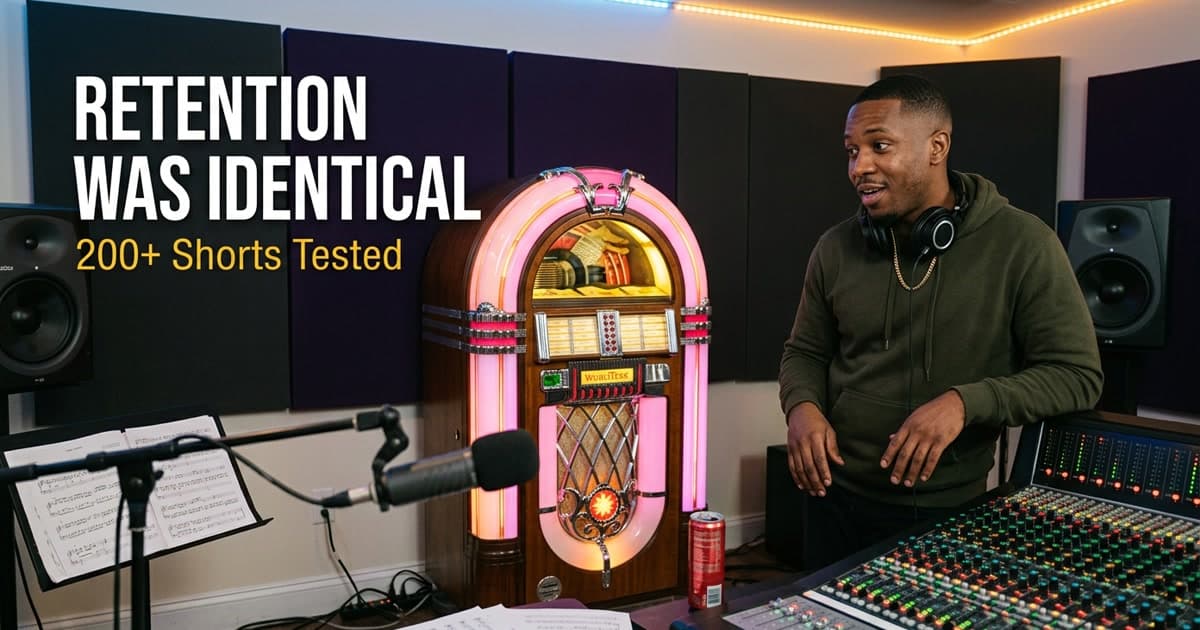
YouTube's Lyria-powered AI music generation changes the equation for Shorts specifically. Think of it as a perfectly tuned jukebox that never plays a copyrighted song — you tell it the mood, the energy, the genre, and it generates an original 30-second soundtrack with zero licensing exposure. It fills the room with exactly the right energy. It matches the vibe of your content with surprising accuracy. But — and this matters — it can't compose the symphony that makes someone cry. For most Shorts, you don't need the symphony. You need the jukebox.
We tested AI-generated music across 200+ client Shorts since the experimental rollout. The honest assessment: for most Shorts use cases, retention was statistically identical to curated stock tracks. The jukebox works. Here's the complete workflow for using it — and the traps to avoid.
How the Jukebox Works: Lyria-Powered Generation
YouTube's AI music tool is accessible directly within the Shorts creation flow. You describe the mood, energy level, and genre you want — or let the AI analyze your footage and suggest parameters — and the system generates an original 30-second track.
The generation parameters that matter:
The tool accepts both text prompts ("upbeat, energetic, modern hip-hop feel, high energy") and mood selectors. Text prompts produce more varied results and are worth learning to use well. Mood selectors are faster for iterative testing.
Key parameters that affect output quality:
- Energy level: Low/medium/high — the most important variable for Shorts, where audio energy should match visual pacing
- Genre/style: The more specific, the better. "Electronic" produces generic results. "Lo-fi electronic with minimal percussion and atmospheric pads" produces something usable
- Tempo guidance: Explicitly stating a tempo feel ("punchy, fast-paced" vs. "relaxed, mid-tempo") produces more predictable results than letting the AI decide
Generation is fast. Each track generates in approximately 8-12 seconds. This makes iterative testing practical — generate 5-6 variations and select the best fit rather than committing to the first output.
Every AI-generated track is flagged as AI-created in YouTube's rights management system. Zero Content ID issues. Ever. The track is generated fresh for your use, owned by YouTube's content layer, and cannot conflict with existing rights holders.
The Copyright Traps to Avoid
While Lyria-generated music has zero licensing risk, the broader AI music landscape is more complicated. The jukebox is safe. The back-alley record shop is not.
Third-party AI music tools with unclear training data: Tools like Suno and Udio generate music using training data whose licensing status has been actively contested in court. Several major labels filed copyright suits in 2024 against AI music generators for training on copyrighted material without licensing. Using AI-generated music from these platforms in monetized YouTube content carries real legal exposure until the litigation resolves.
"AI-remixed" versions of existing tracks: Tools that generate music "in the style of" named artists or modify existing recordings are different from generative-from-scratch tools. Style-based generation can trigger Content ID if the output is close enough to a training track.
Human-created tracks uploaded to AI music platforms: Some platforms allow human composers to upload tracks with AI-modified metadata. Always verify the licensing terms for any platform-specific track.
The cleanest path: for Shorts, use YouTube's native Lyria generation. For longer-form content, licensed tracks from platforms with clear Content ID registration (Epidemic Sound, Artlist, Musicbed) remain the safest option.
The Three-Level Audio Strategy That Works
AI music generation is one component of a Shorts audio strategy. It solves the licensing problem. It doesn't solve the strategic audio problem — choosing sound that drives the specific viewer behavior you want.
Our audio strategy framework for Shorts has three levels:
Level 1 — AI Generated (60-70% of Shorts output). Use Lyria generation for all community-type Shorts, repurposed clips, event documentation, and content where audio is background rather than foreground. This eliminates the music search workflow entirely for the majority of output. Our data across 200+ Shorts: Level 1 AI music performed on par with curated stock tracks for retention metrics.
Level 2 — Licensed tracks (20-30% — branded and hero Shorts). For Shorts where brand identity matters — product launches, promotional content, hero pieces — use tracks pre-approved through your brand's audio identity guide. Consistent audio character builds sonic brand recognition that AI-generated tracks (which vary per generation) cannot build.
Level 3 — Custom sound design (5-10% — music-forward creative). For Shorts where music is part of the creative concept, both AI generation and stock licensing fall short. This is where YouTube's dialogue-to-song feature becomes interesting — transforming a creator's actual speech patterns into musical elements creates genuinely unique audio identity.
The hypothesis confirmed by our data: for short-form content, audio energy match matters more than audio originality. What matters is that the music matches the visual pacing and doesn't jar the viewer's attention. The jukebox is very good at that specific task.
The Dialogue-to-Song Feature: Beyond the Jukebox
The Made on YouTube 2025 announcement of dialogue-to-song functionality opens creative territory that standard AI music generation doesn't reach. This isn't the jukebox — this is turning your own voice into a signature instrument.
The feature analyzes spoken dialogue and transforms it into musical interpretations — rhythmic, melodic, or stylistic transformations of the creator's actual words. In its current experimental form, it works best for short declarative statements, recurring phrases, and content with natural rhythmic speech patterns.
One client used a transformed version of their opening catchphrase as a signature Shorts audio identity. Within three weeks, comments began calling out the music by name — the sign of genuine audio brand recognition.
Our Prediction for AI Music in Shorts
We've been testing AI music generation since the experimental phase. Our read on the trajectory: by late 2025, approximately 40% of Shorts will use some form of AI-generated audio, primarily in the Level 1 category.
What won't change: the value of intentional audio strategy. AI music generation eliminates the friction of finding usable music. It doesn't eliminate the strategic work of deciding what audio role music plays in a given piece of content.
The channels that use AI music generation most effectively are the ones that treat it as part of a deliberate audio workflow — not a replacement for thinking about sound. The jukebox fills the room. The composer fills the soul. Know which one you need.
Frequently Asked Questions
What is YouTube's Lyria AI music generator?
Lyria is Google DeepMind's AI music model integrated into YouTube's Shorts creation tools. It generates original 30-second soundtracks based on text prompts or mood parameters. Generated tracks have no Content ID exposure and can be used in monetized content without licensing concerns.
Is AI-generated music safe to use on YouTube?
Music generated through YouTube's native Lyria tool is completely safe — it's created specifically for your video and has no rights conflicts. Third-party AI music tools (Suno, Udio) carry legal uncertainty due to ongoing copyright litigation over their training data. Use YouTube's native tool or licensed platforms with clear rights registration.
Does AI music affect Shorts retention?
Based on our testing across 200+ Shorts, AI-generated music from Lyria performed on par with curated stock tracks for retention metrics. For short-form content, audio energy match matters more than audio originality — the music needs to match visual pacing without jarring the viewer.
Can AI-generated music replace licensed music for YouTube Shorts?
For most Shorts use cases — community content, tutorials, repurposed clips, event coverage — AI-generated music is a complete replacement for the stock music search workflow, with zero licensing risk. For branded hero content where sonic brand recognition matters, licensed tracks or custom audio remain more appropriate.
What is YouTube's dialogue-to-song feature?
Announced at Made on YouTube 2025, dialogue-to-song is an experimental feature that transforms spoken dialogue into musical interpretations. It creates unique audio identities from a creator's actual speech patterns. Currently in experimental rollout, with broader availability expected by late 2025.